A PFAS Plan has been released by the UK government. And it will mean a host of industries – including construction, waste management and water companies – will face new monitoring requirements.
The PFAS Plan will lead to new standards and monitoring procedures to deal with and map ‘forever chemicals’. The contaminants have been linked to certain cancers and other health issues.
Increasing public concern surrounding the use of PFAS (per- and polyfluoroalkyl substances) has led to increased scrutiny. In some countries, use of PFAS is already banned.
The chemicals have been used in manufacturing for more than 80 years. They offer excellent detergent, heat and oil resistance and waterproof qualities. But studies over the past two decades have revealed their danger to public health.
The PFAS legacy
In the North Yorkshire market town of Bentham, pollution from a now-closed firefighting foam manufacturing company has been blamed for making it the most PFAS-polluted town in the UK. Residents are taking legal action against the company, claiming it has affected health of villagers.
PFAS chemicals are incredibly difficult to break down, and that led to them being known as ‘forever chemicals’. But advances in technologies and huge amounts of research have led to remediating techniques being achieved.
In the report from the government, it says, “ PFAS contamination threatens public health, wildlife and the quality of our natural environment. Acting now is essential to prevent irreversible harm and to ensure that our regulatory frameworks keep pace with scientific evidence.
“This plan provides a foundation for how we will act – decisively but proportionately – to manage risks. Our vision is to reduce and minimise the harmful effects of PFAS while transitioning to safer alternative substances. It reflects our commitment to protect public health and the environment while supporting innovation and economic growth.”
Sectors affected by the PFAS Plan
The industries being affected are:
- Construction companies and consultants: New guidance will be issued for managing legacy contamination on brownfield sites, affecting planning and land remediation.
- Water Companies: Facing a 2026 consultation on statutory drinking water.
- Wastewater Treatment: Subject to new research and potential regulations regarding sewage sludge used in agriculture, with a consultation planned for 2026.
- Chemical Producers/Importers: Affected by the reform of UK REACH by December 2028.
- Industrial Sites: Operators of sites with environmental permits will receive new guidance on reducing emissions and must be more transparent about their PFAS use.
- Waste Management: Landfill and incineration operators face increased scrutiny over PFAS in waste streams, including leachate and treatment residuals.
- Firefighting: A final decision on restricting PFAS in firefighting foams is expected in 2027. Also, fire brigades’ managers will need to meet new guidance if constructing or using land on sites where foam has been discharged during training exercises.
PFAS Plan’s main pillars
The framework of the new PFAS Plan sets out three primary areas.
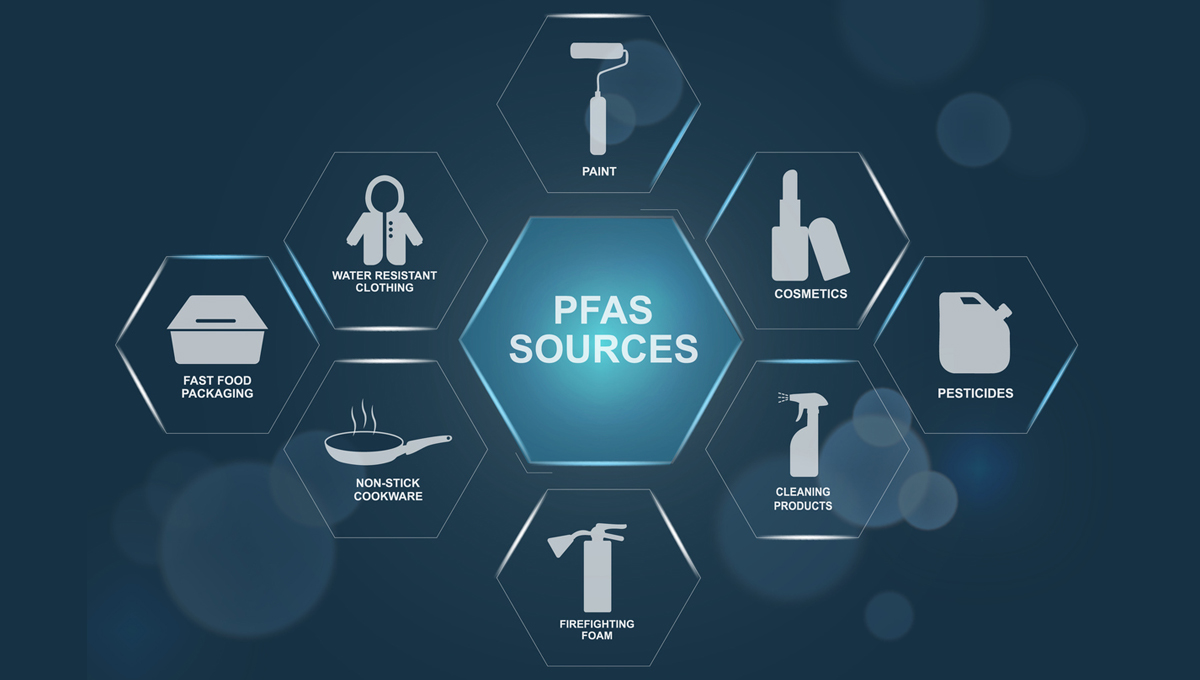
- Understanding PFAS Sources:Identifying usage, environmental prevalence, and risks.
- Tackling PFAS Pathways: Managing risks across the life cycle, improving monitoring in soil, and reducing emissions from industrial sites
- Reducing Exposure:Setting stricter standards to protect public health and the environment.
PFAS remediation
ATG Group Director and PFAS Lead, Duncan Sanders, says that while PFAS had been given the label ‘forever chemicals’ new technology means the chemicals can now be remediated.
“There have been understandable concerns about some sites being written off due to they being contaminated with PFAS because early signs were that they couldn’t be remediated,” he explains.
“But things are moving at a fast pace, and we are successfully using a range of methods to remediate sites for our clients. Thankfully, it proves that while the legacy of PFAS is not ideal, it doesn’t have to mean brownfield sites lie idol.”
ATG Group Managing Director, Mark McKinney, adds, “Many industries and sectors are going to affected by the PFAS Plan. It is likely to be a major concern to them to ensure they stay within Environment Agency guidelines.
“That is why we are working on several initiatives. We want to understand the locations where PFAS were used to continue to unlock potential in so many sites.”