Domestic oil spills can be stressful, disruptive and potentially expensive. In many cases, homeowners first become aware of a problem when they notice a strong smell of fuel, an unexpectedly low tank level or damage to vegetation near the tank.
The visible signs, however, do not always reveal the full extent of the problem. Oil can migrate through soil, beneath buildings, along service trenches and into drainage systems. This is why prompt investigation by an experienced specialist is so important.
Although every incident is different, here are five things we commonly find when investigating domestic oil spills.
1. A damaged or deteriorating oil tank
One of the first areas to examine is the oil tank itself.
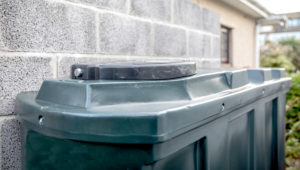
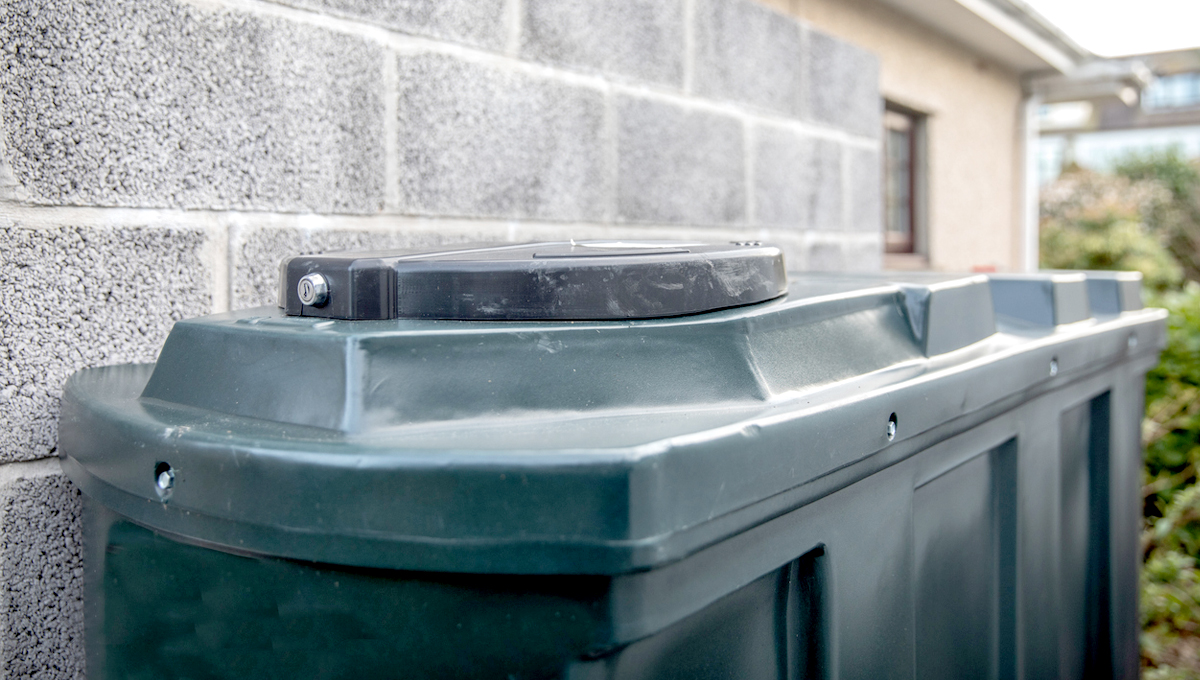
Plastic tanks can deteriorate over time as a result of age, weather exposure, inadequate support or physical damage. Small cracks can develop and may initially release oil slowly, making the problem difficult to detect.
Older steel tanks can also corrode. While a tank may appear sound externally, corrosion can create small holes in less visible areas, including underneath the tank. By the time a leak is noticed, oil may already have been escaping for some time.
Some tanks we encounter may not meet current installation standards or modern pollution-prevention guidance. Problems can include inadequate support, a lack of effective secondary containment, vulnerable pipework or a location where the tank is at risk of accidental damage.
Current standards cannot simply be applied retrospectively to every older domestic installation, and requirements differ across the UK. Nevertheless, the condition, position and design of a tank can substantially affect both the likelihood of a spill and the extent of the resulting contamination.
2. Leaking pipework, filters and fittings
The tank is not always the source of the leak.
Domestic oil systems include filters, valves, gauges, connections and feed lines, all of which can deteriorate or become damaged. Common problems include failed filters, perished sight gauges, loose fittings and corrosion of copper or steel oil-feed pipes.
Underground pipework can be especially difficult to assess. A small leak beneath a garden, driveway or floor may continue unnoticed because there is no obvious pool of oil at the surface.
In some cases, a homeowner may simply notice that they are using more oil than expected. In others, the first indication is a smell inside the property or an oil-fired boiler that stops working because the tank has unexpectedly emptied.
Identifying and stopping the source is the priority. However, repairing the tank or pipework does not address oil that has already entered the surrounding ground. Further investigation may be needed to establish how far it has travelled.
3. Fuel odours inside the home
Kerosene has a strong and distinctive smell. Once oil has escaped, its odour can enter a property through floors, air bricks, service ducts, ventilation routes and gaps around pipes.
Oil does not necessarily need to be directly beneath a room for the smell to become noticeable. Vapours can follow the same pathways as the contamination or move through voids beneath the building.
In some homes, the odour may be limited to a utility room or area close to the boiler. In more serious incidents, it can affect bedrooms, kitchens and other living spaces. Soft furnishings and porous materials may also retain the smell.
This can be extremely distressing for residents and may disrupt the normal use of their home. Anyone who feels unwell or is concerned about exposure should move away from the affected area and seek appropriate medical advice.
Removing contaminated soil can form part of the solution, but the response must be based on a proper understanding of where the oil has travelled and how vapours are entering the property.
4. Contaminated ground and environmental damage
Oil released onto the ground rarely remains exactly where it first landed.
It can soak into soil, spread beneath paving and hardstanding, enter drainage systems or migrate through more permeable layers of ground. Rainfall and groundwater movement may carry the contamination further.
Signs of environmental damage can include:
- Oily or heavily stained soil
- An oil sheen on standing water
- Dead or discoloured grass and plants
- Staining around drains or inspection chambers
- Oil odours away from the original leak
- Contamination beneath paving, paths or buildings
If oil reaches a ditch, stream or other watercourse, even a comparatively small spill can have wider environmental consequences. Groundwater, private water supplies and neighbouring land may also be at risk, depending on the location and ground conditions.
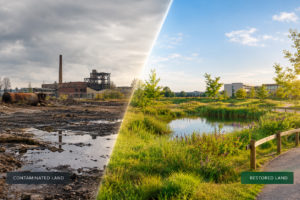
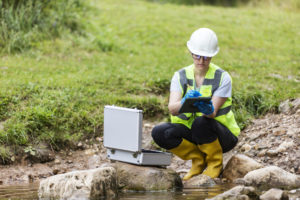
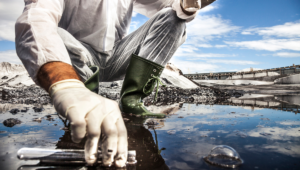
The contamination visible at the surface may represent only part of the affected area. Soil sampling, vapour monitoring and investigation of possible migration pathways can be needed to define the extent of the problem and develop an appropriate remediation plan.
DAERA explains that an oil release can cause significant environmental damage and be expensive to remedy. Its oil-storage guidance also describes the importance of suitable storage and secondary containment.
5. Homeowners unsure what to do next
Perhaps the most consistent finding is not technical at all: it is a homeowner who feels overwhelmed by the situation.
Domestic oil spills can create concerns about health, property damage, environmental liability and the effect on neighbouring land. Residents may also face disruption, uncertainty over the duration of the work and an unfamiliar insurance-claims process.
Different parties may become involved, including the insurer, loss adjuster, heating engineer, environmental regulator and remediation specialist. Clear communication between everyone involved is important.
An experienced spill-response contractor should be able to explain:
- What is known about the incident
- What immediate action is required
- What further investigation may be needed
- How the contamination could have spread
- Which remediation options are available
- How the work will affect the household
- How successful remediation will be demonstrated
Acting quickly can help contain the problem, preserve useful evidence and reduce the likelihood of oil spreading into previously unaffected areas.
What should you do if you suspect a domestic oil leak?
If you notice a sudden loss of oil, damage to your tank or pipework, or a persistent fuel smell:
- Stop the oil supply if you can do so safely.
- Keep people and pets away from affected areas.
- Do not smoke or use naked flames near the spill.
- Do not try to wash the oil away with water or detergent.
- Prevent oil from entering drains or watercourses if this can be done safely.
- Photograph visible damage and record when the problem was discovered.
- Notify your insurer as soon as possible.
- Contact an experienced oil-spill specialist promptly.
Domestic oil spills: How ATG Group can help
ATG Group has extensive experience in investigating and remediating land affected by heating oil, diesel and other hydrocarbons.
Our specialists can help identify the source of a spill, establish the extent of contamination and develop an appropriate remediation solution for the individual property. We understand that domestic incidents affect people as well as land, so our approach considers the homeowner, the property and the surrounding environment.
Where site conditions allow, treatment can also provide a more sustainable alternative to automatically excavating contaminated soil and disposing of it at landfill.
If you have discovered – or suspect – a domestic oil spill, contact us as early as possible. Prompt action can help limit the spread of contamination, reduce disruption and provide a clearer route towards restoring your property.