A heating oil leak can leave a homeowner facing an unexpected decision: how urgently does this need dealing with?
Perhaps the leak has stopped, the tank has been replaced, or the visible stain seems small. It can be tempting to wait and see whether the remaining smell disappears.
But stopping a leak and dealing with the oil already released are separate jobs. Contamination can remain beneath the surface, spread beyond the original spill and affect buildings, water supplies and neighbouring land.
Published UK guidance and a documented oil spill in Essex show why early investigation matters.
Oil can spread beyond the patch you can see
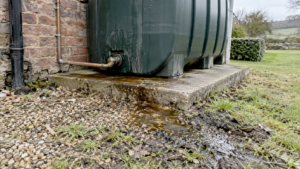
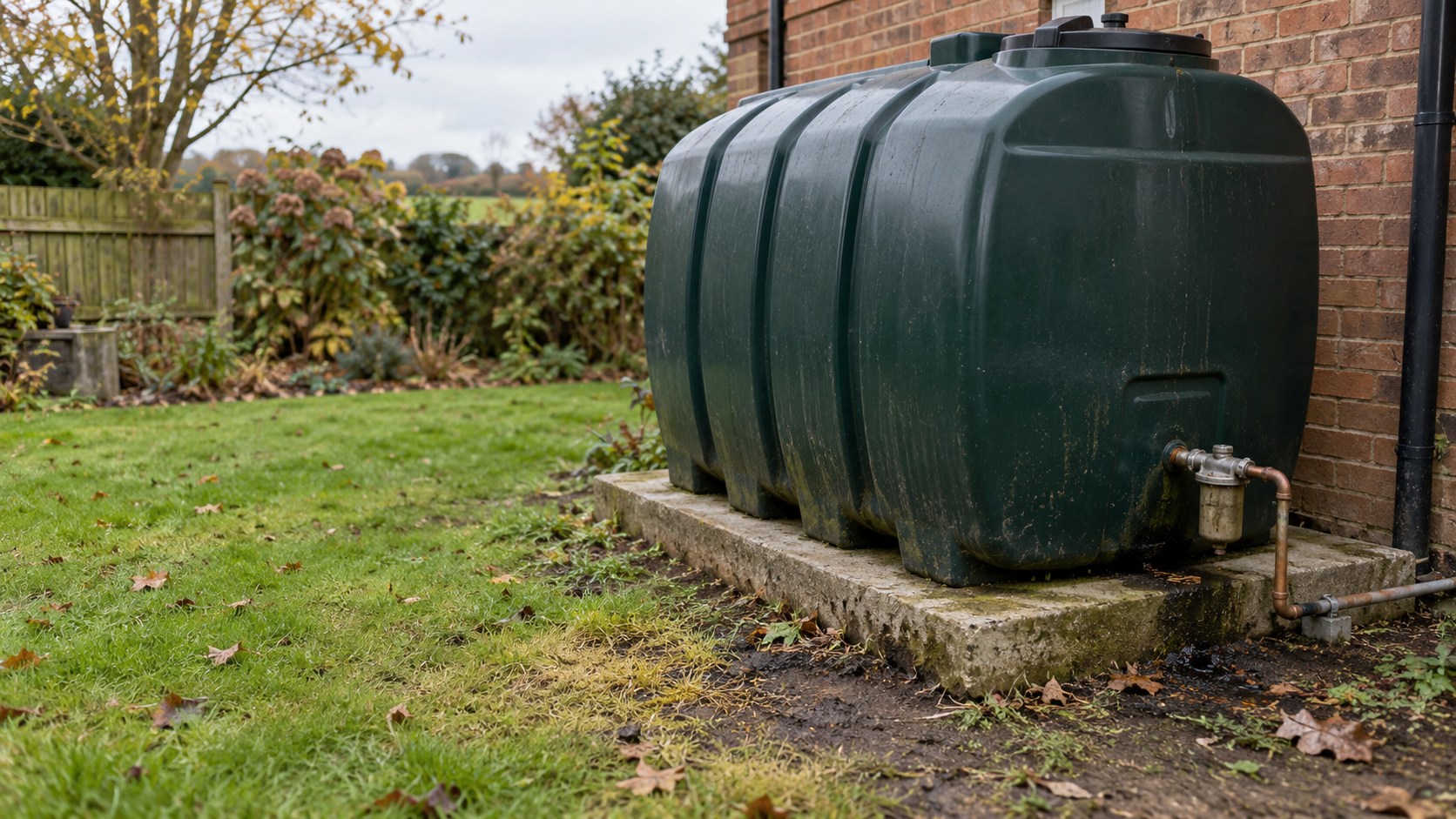
A patch of stained soil does not necessarily reveal the full extent of a domestic oil spill.
Heating oil can move through soil into groundwater or reach nearby drains and watercourses. The way it travels depends on the ground conditions and the routes available to it.
One council’s guidance about domestic oil spills explains that pollution can travel underground without its effects being obvious at the surface. It can harm plants and wildlife and become particularly costly to address when it reaches water supplies or spreads beneath a property.
Leaving a spill unassessed therefore creates uncertainty about where the oil is going and what it may affect. A garden stain could be only one visible part of a wider problem.
Contamination can affect the inside of your home
Oil does not have to spill indoors to affect indoor living spaces. Some compounds in heating oil can evaporate and enter buildings as vapour. A persistent fuel smell can make rooms unpleasant to use and needs investigation.
Smell alone does not establish the level of health risk: people can detect heating oil at concentrations below those expected to cause health effects. However, exposure can cause symptoms including headaches, dizziness and nausea. Anyone feeling unwell following exposure should avoid further exposure and seek medical advice.
Ignoring the smell, or trying to mask it, leaves the source unresolved.
Recent case illustrates months of disruption
A case documented in a Housing Ombudsman report published in December 2024 shows how a domestic heating oil spill can require repeated investigation and clean-up.
While the landlord acted promptly and the Ombudsman found no problems with their reporting, the case shows how damaging domestic oil spills can be.
A leak was discovered at a rented home in November 2022. Repairs were undertaken, temporary accommodation was arranged and specialist contractors removed and replaced contaminated garden soil.
However, following completion of the initial work in January 2023, the resident reported a strong smell of kerosene again. Further investigation identified a small leak at the filter bowl, and soil testing confirmed renewed contamination.
Another excavation and clean-up followed. By the end of March 2023, the landlord reported that further soil tests confirmed the clean-up had been successful.
The case illustrates why repairing the heating system, investigating the contamination and checking the effectiveness of treatment all matter. Even a small continuing leak can lead to further work and disruption.
Oil left in the ground can cause problems years later
Replacing faulty equipment does not necessarily remove the contamination it has caused.
A case in Public Health England’s UK Recovery Handbook for Chemical Incidents, section 11.5, describes an incident on a small housing estate that developed over several years.
Leaking heating oil meters were identified after oil contaminated a lake. The meters and associated oil pipeline were replaced.
Two years later, residents reported unpleasant tastes and odours in their drinking water. Oil remaining in the soil was identified as the likely source: it had passed through plastic water supply pipes. An alternative water supply was provided, pipework was replaced and some contaminated soil was removed.
A further year later, the problem returned. Plastic connections remained exposed to contaminated ground, allowing oil to enter the water supply again. These connections were replaced and extensive soil removal took place beneath several houses.
The handbook identifies a crucial lesson: the route into the drinking water had not been adequately considered during the initial response.
Repairing the source was necessary, but the remaining contamination also needed to be understood and addressed.
The eventual clean-up can become more disruptive
Not every domestic oil spill requires major excavation. The response depends on the amount released, where it has travelled and the risks it presents.
However, contamination beneath a house or within groundwater can be more complicated to investigate and treat than a recent spill confined to shallow soil.
SEPA’s domestic oil spill guidance explains that larger or more complex incidents may require specialist assessment and treatment of both soil and groundwater. Checks are also needed to establish whether the clean-up has adequately addressed the contamination.
For homeowners, that can mean investigation, treatment and reinstatement work, rather than simply replacing a tank and removing a visible stain.
What should you do if a spill has already been left untreated?
Even if a leak happened weeks or months ago, seek advice about any contamination that may remain.
Explain when the problem was first noticed, what repairs have been made and whether there are continuing odours, staining or concerns about nearby water.
The Northern Ireland government’s advice on oil spills at home recommends acting quickly and contacting your insurer. If it is safe, switch off the oil supply at the tank and keep children and pets away from the spill. Never use a hose or detergent to wash oil away.
If there is a strong smell indoors, ventilate the area and contact your council’s environmental health team. If water may be contaminated, do not drink it and contact your water supplier or, for a private supply, your local council. Report actual or threatened water pollution to the relevant environmental regulator for your location.
Getting help with a domestic oil spill
The sooner a suspected leak is investigated, the sooner its extent can be established and appropriate action taken.
ATG Group provides oil spill response, investigation and clean-up services, with a 24-hour emergency response across the UK and Ireland.
If you suspect a heating oil spill, contact ATG Group for advice on the next steps.
For more advice, read our blog on seven common domestic oil spill mistakes.