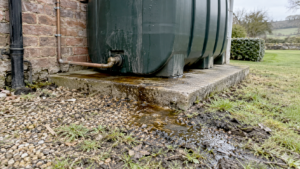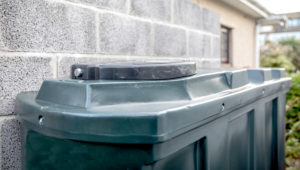
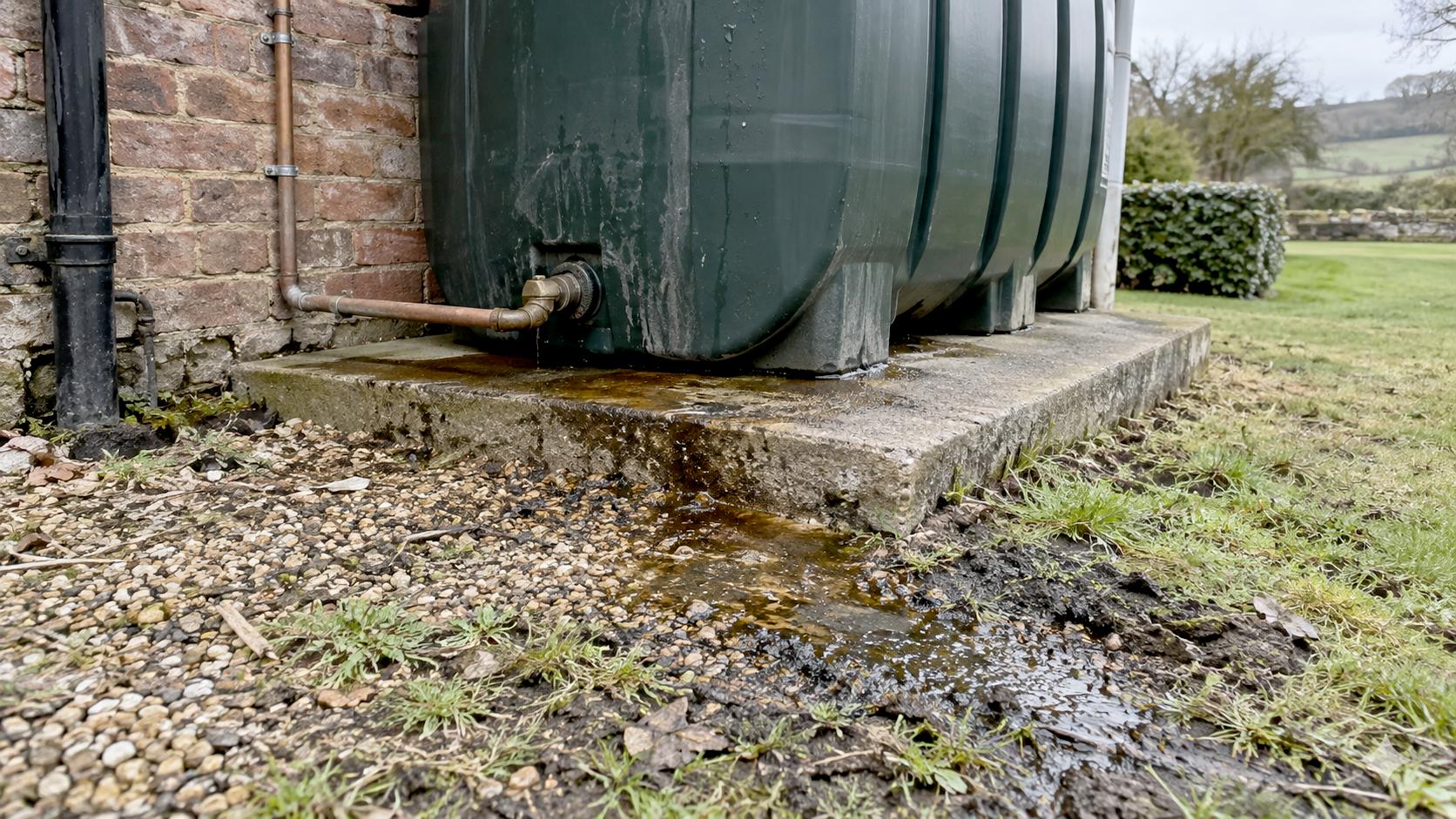
There are many signs that can alert you to a domestic oil spill. It can include an unexpected drop in your heating oil level. Or even a strange smell near the boiler can be a sign.
But what to do next – and avoiding some common misunderstandings – can help limit damage and disruption.
For homeowners, a heating oil leak can be worrying and unfamiliar. Here are seven assumptions that could make dealing with it more difficult.
1. “It’s only a small leak, so it can wait”
A slow drip might not look like an emergency, but an ongoing leak can continue releasing oil while you decide what to do.
The potential impact also depends on where the oil goes. A spill close to a drain, stream or other sensitive area needs particular attention.
Act promptly if you suspect a leak. You do not need to establish its full extent before asking for help. Early action can prevent further spread and reduce the amount of oil lost.
2. “If there’s no puddle, there’s no problem”
Oil does not always remain visible on the surface. It can soak into soil and reach groundwater or enter drainage systems.
That means the absence of a puddle does not prove that your heating system is sound. An unexplained fall in tank levels, staining or a persistent fuel smell should be investigated.
The Environment Agency’s advice on checking your heating oil tank explains how leaked oil can reach groundwater supplies and drains connected to rivers, streams and ponds.
3. “I can wash it away with water and detergent”
Washing oil away may remove the visible stain from one place, but it can spread the pollution elsewhere.
A hose can carry oil towards drains or surrounding ground. Detergents can mix oil into water and make the pollution problem worse.
The Oil Care Campaign’s spill guidance specifically advises against washing spilled oil into drains or the ground, and against using detergents.
Keep children and pets away from the affected area and seek specialist advice. Only attempt immediate containment if it is safe to do so.
4. “Replacing the tank will solve everything”
Repairing or replacing a leaking tank will deal with the source. But it does not necessarily deal with oil that has already escaped.
Depending on where the spill has travelled, soil, water or parts of the property may also need investigation and treatment.
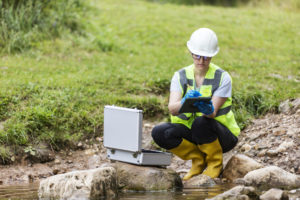
This is why a domestic oil spill response may involve more than a tank engineer. Establishing the extent of contamination helps determine what clean-up is needed.
ATG Group’s oil and chemical spill clean-up service covers initial response, investigation and remediation, with the approach tailored to each incident.
5. “My home insurance will automatically cover it”
Having home insurance does not guarantee that every part of an oil spill claim is covered.
Before a problem occurs, check whether your policy includes investigation and clean-up costs, damage to your property and contamination affecting neighbouring land. Ask your insurer to explain any exclusions or limits.
If you suspect a spill, notify your insurer promptly and ask how to arrange an emergency response.
The official guidance on checking your oil tank warns that clean-up costs can be significant and are not always covered by household insurance.
6. “The smell is unpleasant, but that’s all”
A persistent heating oil smell should not be dismissed, particularly inside your home.
Oil contamination can produce fumes and odours that affect living spaces and may make people feel unwell. Masking the smell with an air freshener does not address its source.
Domestic oil spill advice from one local authority explains the potential effects on health, property and the environment.
Seek specialist advice about the spill. If fumes are entering your home, contact your local council’s environmental health team for advice; seek medical advice if anyone feels unwell.
7. “Only old tanks leak”
Older tanks deserve attention, but the tank itself is only one part of the system.
Leaks can also arise from damaged sight gauges, worn fuel lines, flexible hoses or other components. Spills may happen during an oil delivery too.
The nidirect guide to oil spills at home describes these different causes. Checking the tank alone can therefore miss a problem elsewhere in the heating oil system.
Regular inspections should cover the tank, pipework and associated equipment.
Suspect a domestic oil spill? Act early
You do not need to know how much oil has escaped, or exactly where it has gone, before seeking help.
Contact your insurer promptly, keep people and pets away from the spill and avoid washing the oil away. If oil has entered, or could enter, drains or waterways, contact the relevant environmental regulator for your location.
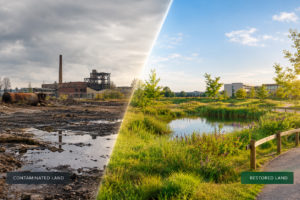
ATG Group supports homeowners dealing with heating oil leaks and contaminated land, helping establish what has happened and what needs to be done next. And we have plenty of happy customers that show we’ll take your domestic oil spill seriously.
Visit our oil spill clean-up page for details of our 24-hour emergency response in the UK and Ireland.