As temperatures fall and heating systems work harder, thousands of households across the UK and Ireland will be relying on stored heating oil to keep their homes warm.
But while homeowners may check their oil tank before winter, there’s another potential source of leaks that can easily be overlooked: the pipework connecting the tank to the boiler.
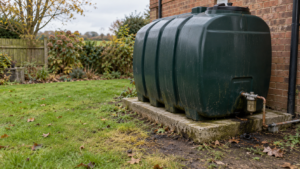
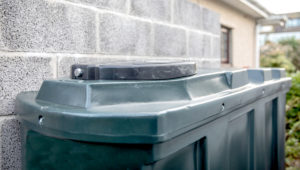
When we think about domestic heating oil spills, it’s often a damaged or ageing tank that comes to mind. Cracks, corrosion, unstable bases and accidental damage can all lead to problems.
However, the tank itself is only part of the system.
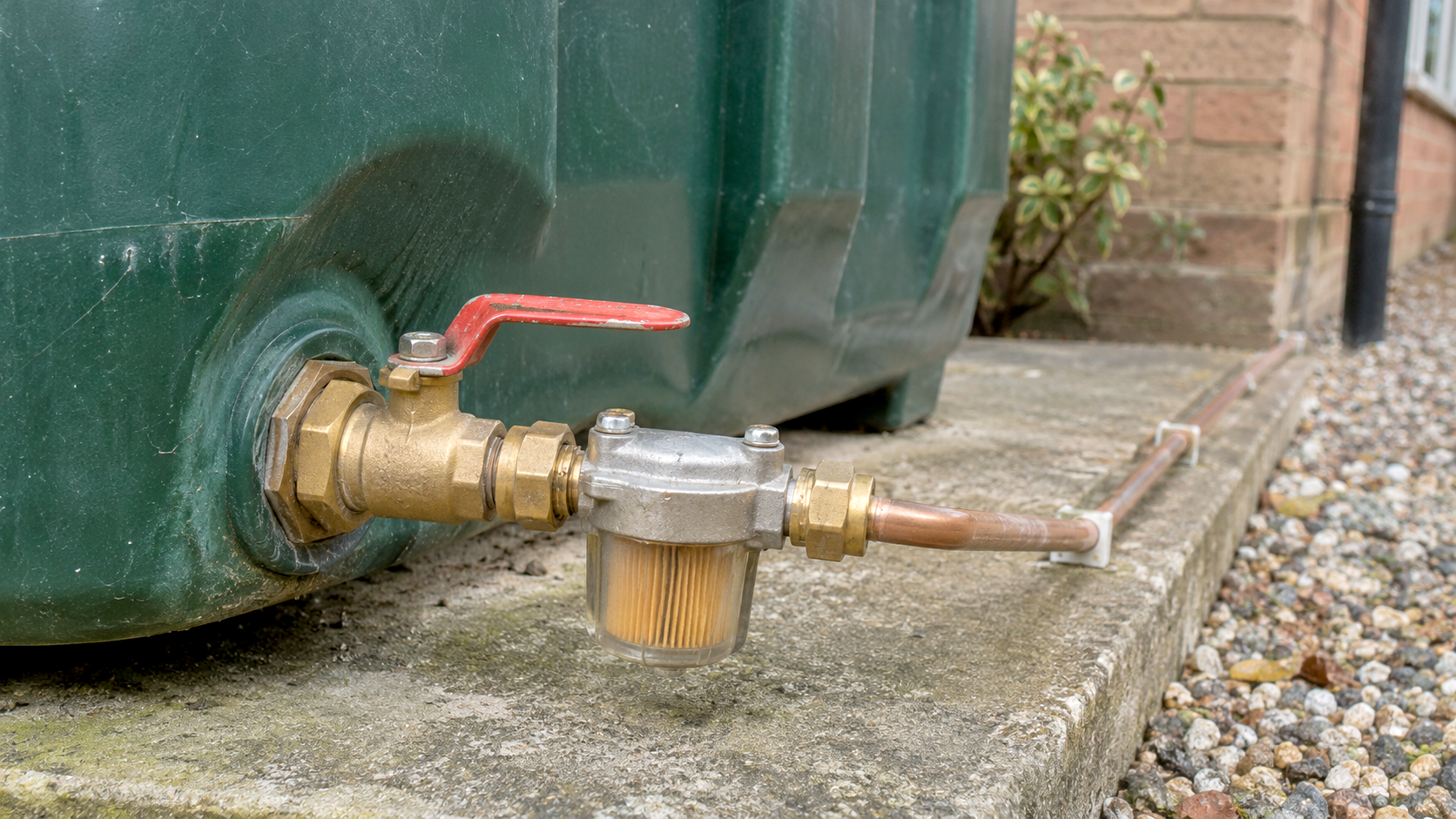
The pipes, valves, filters and connections that carry heating oil into a property can also deteriorate or become damaged. And because some of this pipework may be hidden underground or behind buildings, a leak isn’t always immediately obvious.
The consequences can be significant, both financially and environmentally.
Why heating oil pipework deserves more attention
A domestic oil tank may be perfectly sound, but that doesn’t necessarily mean the entire installation is in good condition.
Oil supply pipes can be affected by corrosion, physical damage, movement, deterioration of joints and poor installation. Even a relatively small defect can allow heating oil to escape into the surrounding ground.
The risk is particularly concerning where pipes run underground.
Unlike an obvious leak from a tank, oil escaping from buried pipework may go unnoticed for some time. By the time the problem is discovered, contamination may have spread beneath gardens, driveways or even buildings.
Industry body OFTEC provides specific guidance on domestic fuel supply pipes, including the importance of regular inspection and appropriate testing.
It recommends that concealed or inaccessible fuel supply pipework between the tank and burner should be pressure-tested at least every five years to confirm its integrity.
That’s an important point for anyone who has lived in an oil-heated property for several years without having the pipework checked.
How can you tell if an oil pipe is leaking?
Not every heating oil leak produces an obvious puddle. Sometimes the warning signs are more subtle but they can point to heating oil pipe leaks.
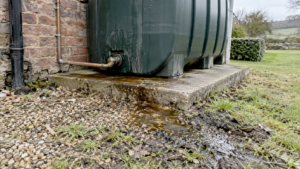
An unexplained reduction in the amount of oil in the tank, a persistent smell of heating oil, staining around pipe connections or patches of damaged vegetation may indicate a problem.
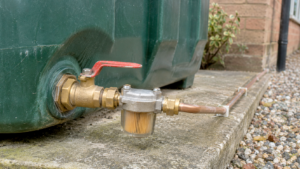
Homeowners should also pay attention to visible pipework, particularly around joints, valves and filters.
The Oil Care Campaign recommends regular oil tank checks, including inspecting visible pipework and connections for damage, dampness and staining.
It’s also worth remembering that an unexpected loss of heating oil isn’t always caused by increased heating demand.
If the amount of oil in a tank appears to be falling faster than expected, it could be worth investigating whether the fuel is escaping somewhere along the system.
Why a small heating oil leak can become a big problem
Heating oil can penetrate soil and, depending on ground conditions, migrate beyond the immediate area of a leak.
Where contamination reaches groundwater, drainage systems or nearby watercourses, the environmental consequences can become more serious.
Oil can also affect buildings, with vapours and odours potentially entering properties where contamination is present beneath or close to foundations.
The remediation process may involve investigating the extent of contamination, removing or treating affected soil and, in some circumstances, addressing impacts on groundwater or buildings.
What begins as a small leak from a pipe connection can therefore develop into a complex remediation project.
The UK and Ireland Fuel Distributors Association (UKIFDA) highlights the potential for heating oil leaks to contaminate groundwater and building foundations, as well as the importance of maintaining storage systems.
For homeowners, this is also a reminder to check their insurance arrangements. Not every policy provides the same level of cover for accidental oil spills, contamination or the resulting clean-up work.
Five checks worth making before winter
The good news is that regular maintenance and early action can help reduce the likelihood of a serious heating oil leak.
There are several straightforward precautions homeowners can take:
- Check visible pipes and connections. Look for signs of damage, staining, corrosion or dampness around valves, filters and joints. Don’t attempt to dismantle or repair the system yourself.
- Monitor your heating oil levels. Unexpected changes in consumption could indicate a leak, particularly if there is no obvious explanation.
- Look around the tank and surrounding ground. Unusual smells, stained surfaces or dying vegetation may be early warning signs.
- Arrange professional servicing. Have the tank, boiler and supply pipework assessed by a suitably qualified technician. Ask whether any concealed pipework requires pressure testing.
- Know what to do if something goes wrong. Familiarise yourself with the location of the oil isolation valve and keep emergency contact details readily available.
Natural Resources Wales offers practical guidance on checking household oil tanks for leaks, including pipework, valves, filters and the surrounding ground.
What should you do if you suspect a heating oil leak?
If you notice signs of a leak, it’s important to act quickly. Where safe to do so, stop the flow of oil using the appropriate isolation valve and prevent further oil from reaching drains or watercourses.
Contact a qualified heating oil technician to investigate the source of the problem and notify your insurer promptly.
Don’t attempt to excavate contaminated ground or undertake major clean-up work yourself. Specialist assessment may be needed to establish how far the oil has spread and what remediation is appropriate.
The Environment Agency’s guidance on storing oil at home provides advice on preventing pollution and responding to spills.
Where an oil leak has caused ground contamination, early specialist involvement can help establish the extent of the problem and identify an appropriate remediation strategy.
Domestic oil heating challenges
At ATG Group, we understand how challenging domestic heating oil contamination can become.
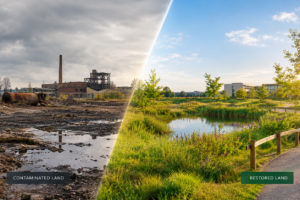
Our work in land and environmental remediation involves assessing contamination, understanding how it has affected the surrounding environment and developing appropriate solutions to restore affected land.
Every oil spill is different. The extent of contamination, ground conditions, proximity to buildings and potential impacts on water all influence the approach required.
While specialist remediation can address the consequences of a leak, prevention and early detection remain the best outcomes for homeowners and the environment.
So, as winter approaches and you prepare your heating system for the colder months, don’t just check that there’s enough oil in the tank.
Make sure the pipes carrying that oil are in good condition, too.
If you suspect an oil leak has contaminated your property, contact ATG Group to discuss how we may be able to help.